
Riviera guide · Updated September 2026
French Riviera Travel Guide: Nice, Monaco and the Best Towns
Nice, Monaco, Cannes, Antibes and the hilltop villages in between: where to base yourself, what to see, how to get around by train and when to go.
French Riviera travel guide: the essentials at a glance
The French Riviera, or Côte d'Azur, runs along the Mediterranean from Cannes to the Italian border at Menton, with the tiny principality of Monaco in the middle. It packs turquoise bays, medieval hilltop villages, world-class art museums and famous food into a stretch of coast you can cross by train in under 90 minutes. This hub covers everything for a first trip and is part of our complete France travel guide.
French Riviera essentials
Airport: Nice Côte d'Azur (NCE), France's third-busiest airport, linked to central Nice by tram line 2
From Paris: about 1h25 by plane, or about 5h40 by TGV
Best base: Nice, for its airport, trains, restaurants and old town
Getting around: the coastal train links most towns every 15 to 30 minutes
Best months: May, June and September
Monaco: a separate country, but it uses the euro and there are no border checks
The best towns on the French Riviera
Each Riviera town has its own personality. Travel times are by train from Nice unless noted.
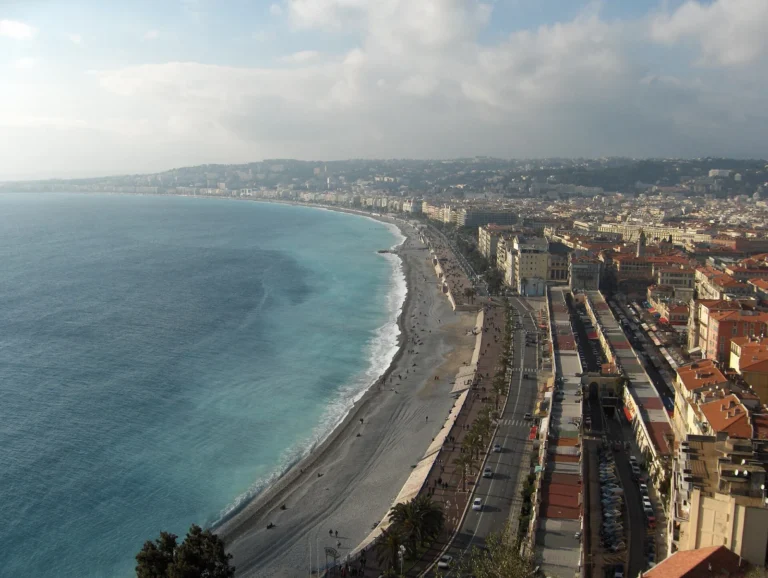
Nice
The Riviera's capital and best base: the Promenade des Anglais, the old town, great museums and the best food and transport links on the coast. See the 20 best things to do in Nice.
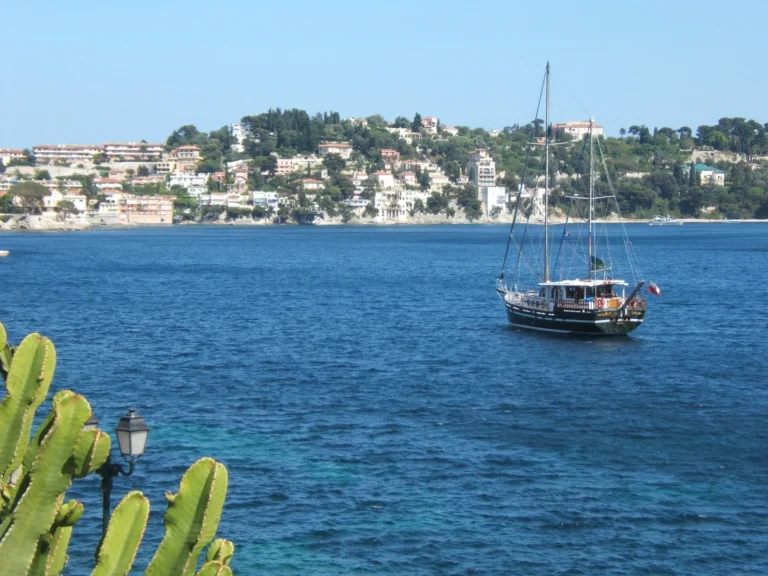
Villefranche-sur-Mer
One of the most beautiful bays in the Mediterranean, a pastel harbour and a sandy beach. Just 7 minutes from Nice.
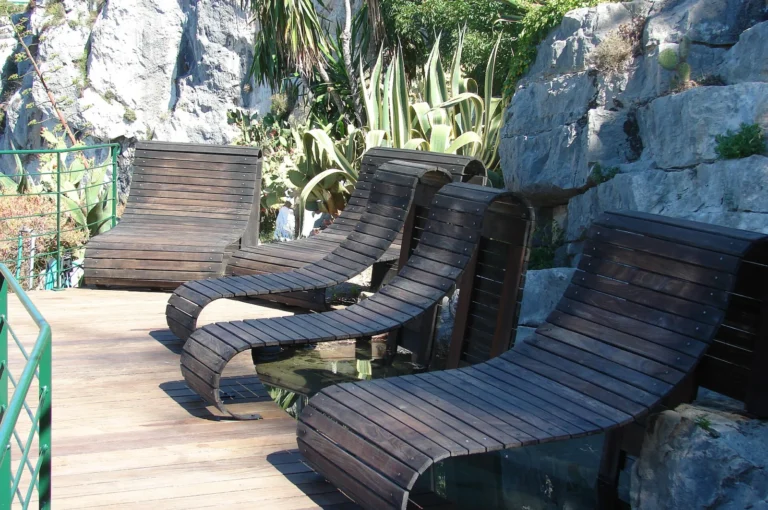
Èze
A medieval village perched 400 metres above the sea, with an exotic garden and dizzying views. Go early or late to avoid the day-trip crowds.
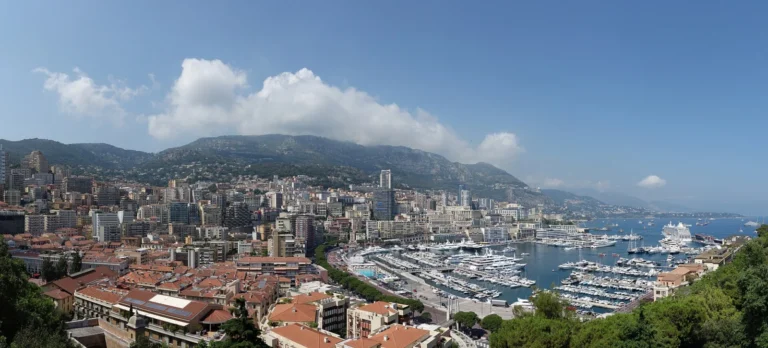
Monaco
The Prince's Palace, the Oceanographic Museum, the Monte-Carlo Casino and the Grand Prix harbour. About 20 minutes from Nice by train.
Antibes
Ramparts, a superyacht harbour, the Picasso Museum and the sandy beaches of Juan-les-Pins. About 25 minutes from Nice.
Cannes
The Croisette, sandy beaches and a boat trip to the peaceful Îles de Lérins. About 35 to 40 minutes from Nice.
Menton
Pastel old town, gardens and the Lemon Festival in February, right on the Italian border. About 35 minutes from Nice.
Saint-Paul-de-Vence
An art-filled walled village in the hills, home to the Fondation Maeght. About 45 to 60 minutes from Nice by bus.
Top 10 things to do on the French Riviera
- Walk the Promenade des Anglais in Nice at sunset, then explore the old town (Vieux Nice) and the Cours Saleya flower and food market.
- Climb Castle Hill (Colline du Château) for the classic view over the Baie des Anges and the port. There is a free lift.
- See Matisse and Chagall: both have museums in Nice's Cimiez district.
- Visit Èze and walk down the steep Nietzsche Path to the sea (about 1 hour), then take the train back.
- Spend a day in Monaco: the changing of the guard at the Prince's Palace just before noon, the Oceanographic Museum and an evening look at the Monte-Carlo Casino.
- Swim in Villefranche bay and walk the coastal path around Cap Ferrat, with a stop at the Villa Ephrussi de Rothschild and its gardens.
- Explore Antibes: the old town, the Picasso Museum in the Château Grimaldi and the coastal path on Cap d'Antibes.
- Take a boat from Cannes to the Îles de Lérins for pine forests, clear water and a monastery that still makes wine.
- Head inland to Saint-Paul-de-Vence for galleries, ramparts and the modern art of the Fondation Maeght.
- Eat socca, the Niçois chickpea pancake, hot from the oven in the old town.
Where to stay on the French Riviera
Nice is the best base for a first trip: the airport is 20 minutes away and every town on the coast is a short train ride. Stay in the old town for atmosphere, near the port for restaurants, or in the Carré d'Or near the Promenade for easy beach access (compare them in our guide to where to stay in Nice). For a quieter, romantic stay, choose Villefranche-sur-Mer; for sandy beaches and a lively old town, Antibes. Monaco and Cannes are the most expensive options. Compare prices on our hotels page, and book early for July, August and the big events in May.
Getting around the French Riviera without a car
- Train: the regional TER line along the coast is the easiest way to travel between Cannes, Antibes, Nice, Villefranche, Monaco and Menton, with trains every 15 to 30 minutes. Book or check times on SNCF Connect.
- Bus: useful for Èze village and Saint-Paul-de-Vence, which have no train station on the hill.
- Tram: line 2 links Nice airport to the city centre and the port.
- Car: only worth it for the hill villages and inland Provence. Parking on the coast is expensive and scarce in summer.
- Boat: seasonal ferries link Nice, Monaco, Cannes and Saint-Tropez in summer.
When to visit the French Riviera
The best time to visit the French Riviera is May, June and September: warm sea, long days and fewer crowds. July and August are hot, busy and expensive. Big events push up prices: the Cannes Film Festival in May, the Monaco Grand Prix in late May or early June, the Nice Carnival and the Menton Lemon Festival in February. Winter is mild and sunny, ideal for museums and walks rather than swimming. For month-by-month detail, see the best time to visit the south of France, and combine the coast with Provence using our South of France itinerary.
French Riviera beaches: pebbles or sand?
Nice's beaches are pebbles, so bring water shoes or rent a sunbed at one of the private beach clubs along the Promenade. For sand, head to Villefranche-sur-Mer, Juan-les-Pins near Antibes, or Cannes. Public beaches are free; private beach clubs charge for loungers and parasols, especially in July and August.
What to eat on the French Riviera
Niçois cooking is Mediterranean and simple. Try socca (chickpea pancake), pan bagnat (a tuna and vegetable sandwich soaked in olive oil), pissaladière (onion and anchovy tart), stuffed vegetables called petits farcis, and a proper salade niçoise. Wash it down with a chilled Provence rosé. For more, explore our French food and wine guides.
5 days on the French Riviera: a sample itinerary
Base yourself in Nice for the whole trip and take day trips by train: no packing and unpacking, and no car needed.
Day 1: Nice
Cours Saleya market, the old town, Castle Hill, then the Promenade des Anglais at sunset.
Day 2: Villefranche and Cap Ferrat
A beach morning in Villefranche, then the Cap Ferrat coastal path and the Villa Ephrussi de Rothschild.
Day 3: Èze and Monaco
Èze village early, the Nietzsche Path down to the sea, then the train to Monaco for the palace and the casino.
Day 4: Antibes or Menton
Antibes old town, the Picasso Museum (see our Antibes and Cannes day trip) and a swim at Juan-les-Pins, or Menton for gardens and the Italian border.
Day 5: Cannes or the hills
The Croisette and a boat to the Îles de Lérins, or the art villages of Saint-Paul-de-Vence.
French Riviera travel guide: FAQ
Where is the best place to stay on the French Riviera?
Nice. It has the airport, the best train connections along the coast, a lively old town and hotels for every budget. From Nice, Monaco, Èze, Villefranche, Antibes and Cannes are all easy day trips.
How many days do you need on the French Riviera?
Five days is ideal for Nice plus three or four day trips. With three days, focus on Nice, Villefranche and Monaco. With a week, add Cannes, the Îles de Lérins and a hill village like Saint-Paul-de-Vence.
Do you need a car on the French Riviera?
No. The coastal train and buses reach all the main towns, and parking is expensive. Rent a car only for inland villages and the Provence countryside.
Is the French Riviera expensive?
It can be. July, August and event weeks (Cannes Film Festival, Monaco Grand Prix) are the priciest. Save by basing yourself in Nice rather than Monaco or Cannes, travelling by train, eating socca and market food, and visiting in May, June or September.
Ready to plan your French Riviera trip?
Fly into Nice, base yourself in the city and explore the coast by train. Book early for summer and the May events.
Combining the Riviera with Paris? See our Paris travel guide and the 10-day Paris and the South route in our France travel guide. Official information: Nice Côte d'Azur tourism.
Photos from Wikimedia Commons: Villefranche-sur-Mer by Rundvald (public domain); Nice by Lspigon (public domain); Èze by avu-edm (CC BY 3.0); Monaco by Spike (CC BY-SA 4.0).