Best Time to Visit France: A Month-by-Month Guide
The best time to visit France is May, June and September. You get warm, mostly dry weather, long days and far smaller crowds than in July and August, and hotels cost less than in peak summer. But the right answer depends on what you want: beaches, lavender, skiing, Christmas markets and the lowest prices all point to different months. This guide breaks it down by season, by month, by region and by travel goal, so you can choose your dates with confidence.
Quick answer
Best overall: May, June and September
Cheapest: November and January to March (outside Christmas and the school holidays)
Beaches and swimming: late June to mid-September
Lavender in Provence: late June to mid-July
Wine harvest: September to October
Skiing in the Alps: mid-December to early April
Christmas markets: late November to December
The best time to visit France, season by season
Spring (March to May): the sweet spot for cities
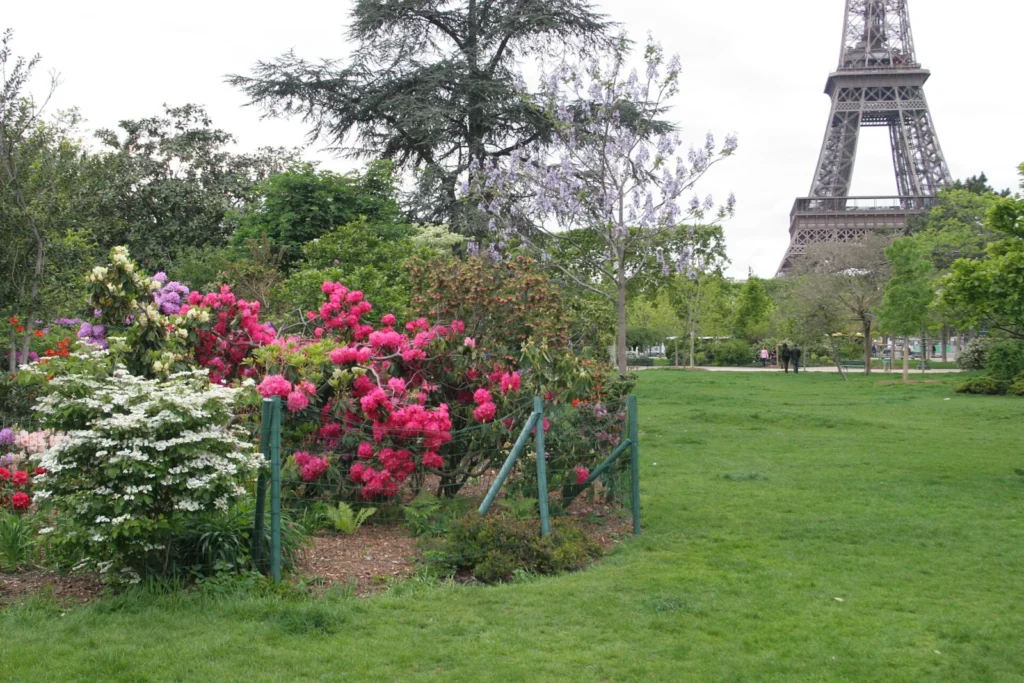
Spring is when France wakes up. Parks and gardens bloom in Paris, cafés put their terraces back out, and the Loire Valley châteaux and Monet's gardens at Giverny open for the season. March can still be cool and rainy, but by May Paris averages around 20°C and the south is warm enough to eat outside every evening. One thing to watch: May has several public holidays (1 May, 8 May, Ascension Day and often Whit Monday), and many French families take long weekends, so book trains and hotels early for those dates.
Paris: 13 to 20°C · Crowds: moderate · Prices: mid-range
Summer (June to August): beaches, festivals and crowds
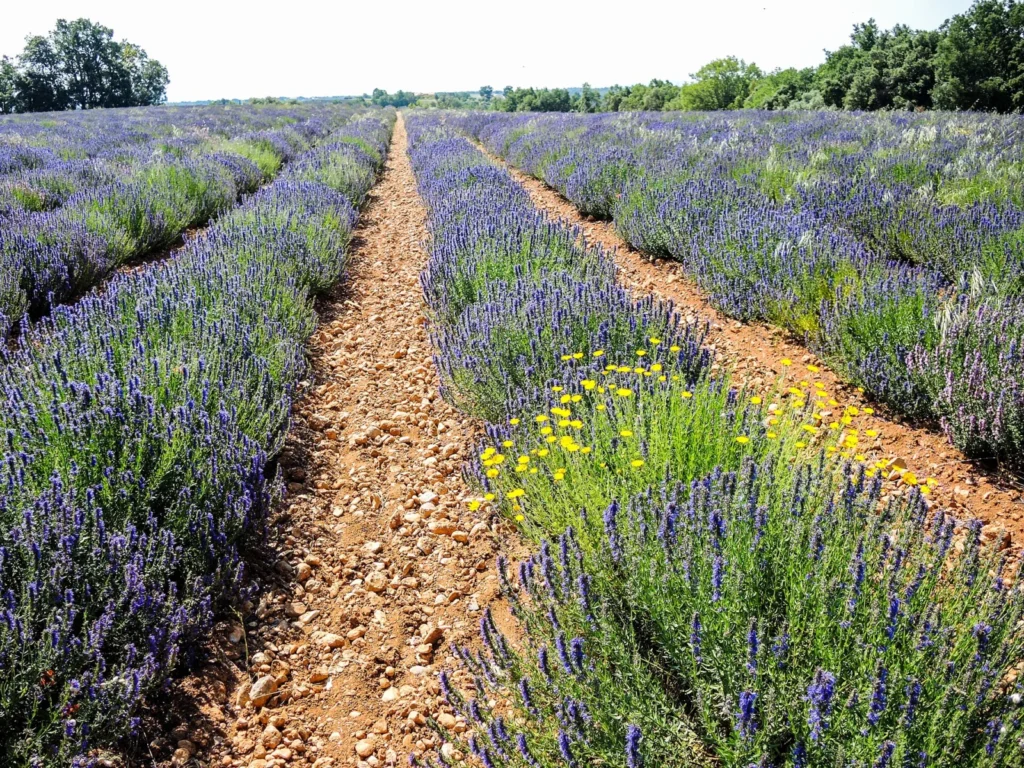
Summer is France at full volume. June is the best summer month: long evenings, the Fête de la Musique on 21 June, and beaches that are warm without being packed. July brings lavender in Provence, Bastille Day on 14 July and big events like the Avignon Festival and the Tour de France. August is the busiest month on the coast: most French families go on holiday, the Riviera and Atlantic resorts are full and prices peak. Paris is the exception: it gets quieter in August, although some small shops and restaurants close for a few weeks. Heatwaves are now common in July and August, so choose a hotel with air conditioning.
Paris: 23 to 26°C · Nice: around 28°C · Crowds: high, very high in August · Prices: highest of the year
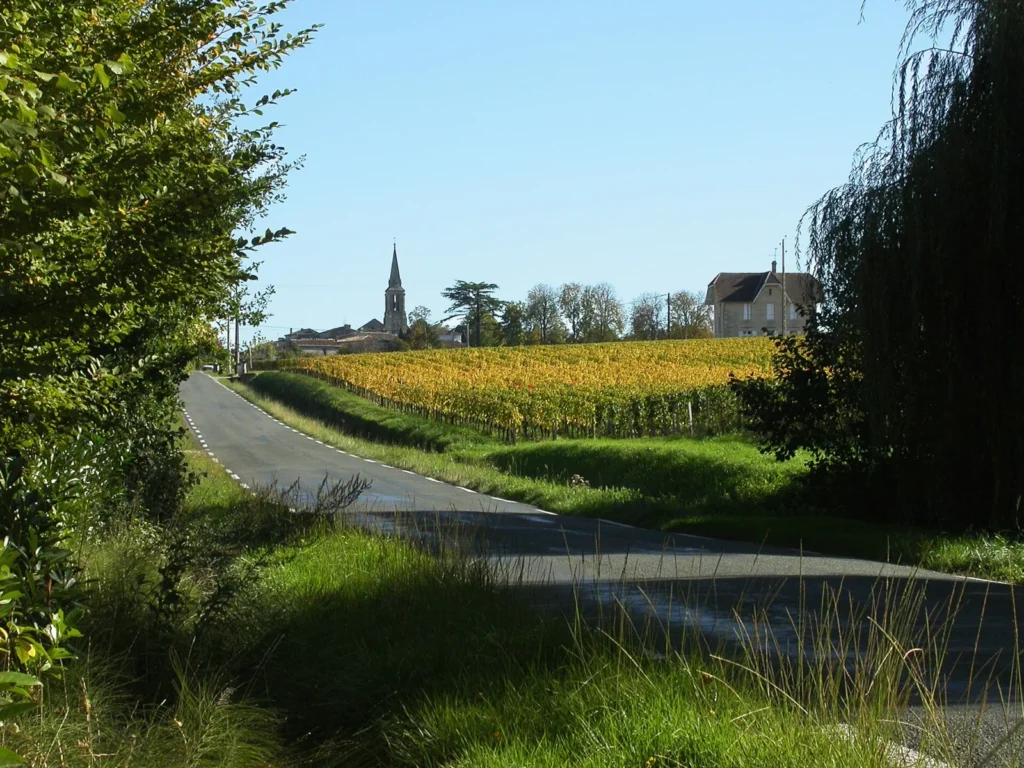
Autumn (September to November): wine, warm seas and fewer tourists
September may be the best month of the whole year in France. The Mediterranean is still warm, the summer crowds have gone home, and the grape harvest (les vendanges) begins in Bordeaux, Burgundy and Champagne. October brings autumn colours to the vineyards and forests and is ideal for city breaks and food trips. November is quiet, grey and cheap: perfect for museums, long lunches and low hotel prices, but some coastal hotels and attractions close for the winter.
Paris: 21°C in September down to 11°C in November · Crowds: low to moderate · Prices: falling

Winter (December to February): Christmas markets, skiing and low prices
Winter is the cheapest time to visit France, apart from Christmas and the February school holidays in the mountains. Alsace comes alive with Christmas markets from late November, led by Strasbourg, and Paris is lit up for the holidays. January brings the winter sales and the lowest hotel prices of the year. Skiers head to the Alps, where the season usually runs from mid-December to early April, while the Riviera stays mild and sunny, with the Nice Carnival and the Menton Lemon Festival in February.
Paris: 8 to 9°C · Nice: around 13°C · Crowds: low, except ski resorts and Christmas · Prices: lowest of the year
France month by month
Temperatures are average daytime highs in Paris, based on Météo-France climate normals. The south of France is usually 3 to 5°C warmer, and the mountains much colder.
January
8°C · Low crowds
Winter sales, cheapest hotels
February
9°C · Low (busy in the Alps)
Skiing, Nice Carnival
March
13°C · Low crowds
Spring starts, quiet museums
April
16°C · Moderate crowds
Gardens in bloom, Easter holidays
May
20°C · Moderate crowds
Cannes Film Festival, long weekends
June
23°C · Moderate to high
Fête de la Musique, warm evenings
July
26°C · High crowds
Lavender, Bastille Day, Tour de France
August
26°C · Very busy on the coast
Beach holidays, quieter Paris
September
21°C · Moderate crowds
Wine harvest, warm Mediterranean
October
17°C · Low to moderate
Autumn colours, food season
November
11°C · Lowest crowds
Beaujolais Nouveau, low prices
December
8°C · Moderate crowds
Christmas markets, ski season opens
Picked your month? Check flight times to France and compare hotel prices for your dates.
The best time to visit France by region
- Paris: April to June and September to October. See our best time to visit Paris guide and our Paris travel guide.
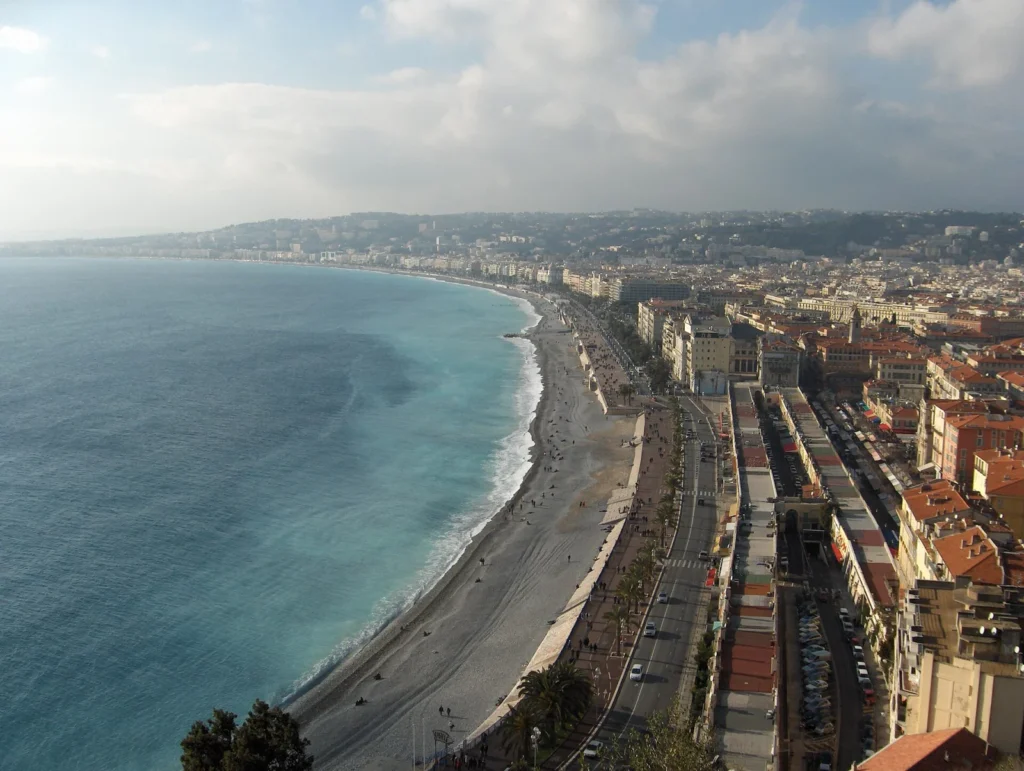
- French Riviera: May, June and September. Choose July and August only if you want guaranteed beach weather and don't mind crowds. See our French Riviera travel guide and the best time to visit the south of France.
- Provence: late June to mid-July for the lavender fields (see our Provence travel guide); May and September for hiking and villages without the heat.
- Normandy: May to September. Around 6 June, the D-Day commemorations fill hotels near the landing beaches months ahead. See our Normandy travel guide.
- Loire Valley: April to October, when all the châteaux and gardens are fully open.
- Bordeaux and Burgundy: September and October for the harvest; spring for quieter wine tastings.
- French Alps: mid-December to early April for skiing; July and August for hiking.
- Alsace: late November and December for the Christmas markets; September and October for the wine route.
- Brittany: June to September, as the weather is changeable the rest of the year.
The best time to visit France for your travel style
- On a budget: November and January to March, outside the school holidays. Flights and hotels are at their cheapest and museums are quiet.
- Beaches: late June and early September, for warm water without the August crowds.
- Food and wine: September and October, for the harvest, market season and autumn produce like mushrooms and game.
- Festivals: May for the Cannes Film Festival, 21 June for the Fête de la Musique, July for Bastille Day and the Avignon Festival.
- A first trip to Paris: May, June or September.
- Romance and honeymoons: June or September on the Riviera or in Provence.
When to avoid, or book early
- French school holidays. France staggers its winter and spring holidays by region, so ski resorts, theme parks and family attractions are busy for most of February and April. Check the official French school calendar before you book.
- Mid-July to late August on the coast. The highest prices, the heaviest traffic and the fullest beaches of the year.
- Long weekends in May. Trains and hotels fill up fast around the May public holidays.
- Strike days. Transport strikes do happen and are usually announced a few days ahead. Keep your plans flexible and protect your trip with the right travel insurance for France.
Frequently asked questions
What is the cheapest month to visit France?
January to March (outside the school holidays) and November are the cheapest months. Flights and hotels are at their lowest prices of the year, and museums and monuments are much quieter. Ski resorts and Christmas week are the exceptions.
Is August a good time to visit France?
It depends on your plans. August is great for beach weather and summer festivals, but the coast is packed and prices peak. Paris is quieter in August, though some small shops and restaurants close for a few weeks.
When is the best time to visit Paris?
April to June and September to October. The weather is pleasant for walking, the parks are at their best and queues at the main sights are shorter than in summer. See our Paris travel guides to plan your stay.
How many days do you need in France?
Plan at least 7 to 10 days to see Paris and one other region, such as Provence or Normandy. With two weeks, you can combine three regions comfortably using France's fast TGV trains.
What is the peak season in France?
July and August are the peak months, when French school holidays fill the coast, the countryside and the big sights. Easter, the Christmas holidays in the cities and the ski season in the Alps from December to April are also busy. Book hotels and timed tickets early for these periods.
What is France like in winter?
Mild and often sunny on the Mediterranean coast, where Nice sees daytime highs around 13°C, but cold and grey in Paris and the north. Winter brings Christmas markets in Alsace, skiing in the Alps and quiet, cheaper cities, although some seaside hotels and restaurants close.
Is it better to visit France in September or October?
September is warmer, with the sea still good for swimming in the south and the grape harvest in full swing. October is cooler and quieter, with autumn colours in the vineyards and lower prices, but shorter days and more rain in the north.
What festivals happen in France?
Highlights include the Nice Carnival and the Menton lemon festival in February, the Fête de la Musique on 21 June, Bastille Day on 14 July, the Avignon theatre festival in July, the grape harvest festivals in September and the Fête des Lumières in Lyon in early December.
Ready to plan your trip to France?
Lock in your dates early for the best prices, especially from June to September and around the school holidays.
New to France? Start with our complete France travel guide. Looking beyond France? See the best countries to visit from France. Already planning next year? Here are the best places to visit in 2027. For official events and ideas, visit France.fr.
Photos from Wikimedia Commons: Pont Alexandre III by Eric Pouhier (CC BY-SA 4.0); Champ de Mars by Alexander Baranov (CC BY 2.0); Valensole lavender by Espirat (CC BY-SA 4.0); Saint-Émilion by DimiTalen (CC0); Strasbourg Christmas market by Romynine (CC BY-SA 4.0); Nice by Lspigon (public domain).