
Provence guide · Updated September 2026
Provence Travel Guide: Lavender, Luberon Villages and the Best Towns
Avignon, Aix-en-Provence, the hilltop villages of the Luberon, the Calanques and the lavender fields: where to go, when to visit and how to plan your first trip to Provence.
Provence travel guide: the essentials at a glance
Provence is the sunny south-east corner of France, between the Rhône and the Alps, running down to the Mediterranean at Marseille. It is a region of Roman cities, papal palaces, market towns, vineyards and, in early summer, the purple lavender fields that made it famous. Most visitors split their time between a city base (Avignon or Aix-en-Provence) and the Luberon villages, with a car for the countryside. Visiting the coast too? Provence pairs perfectly with our French Riviera travel guide.
Provence essentials
Airports: Marseille Provence (MRS), or Nice (NCE), about 2 to 3 hours' drive east
Train from Paris: about 2h40 to Avignon TGV, 3h to Aix-en-Provence TGV and 3h15 to Marseille
Best bases: Avignon, Aix-en-Provence or a Luberon village
Getting around: trains link the cities; a car is essential for the villages and the lavender
Best time: May, June and September; late June to mid-July for lavender
Must-try: rosé, tapenade, ratatouille, bouillabaisse in Marseille and calissons in Aix
The best places to visit in Provence
Provence is bigger than it looks on a map, so pick a base and explore in loops. These are the places worth planning your trip around.
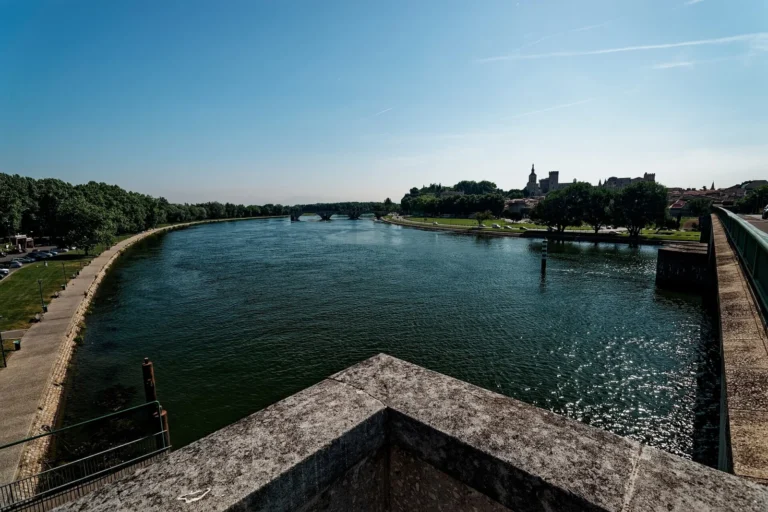
Avignon
The city of the popes: the huge Palais des Papes, the famous broken bridge and a lively theatre festival every July. The best base without a car, with fast trains to Paris and Arles.
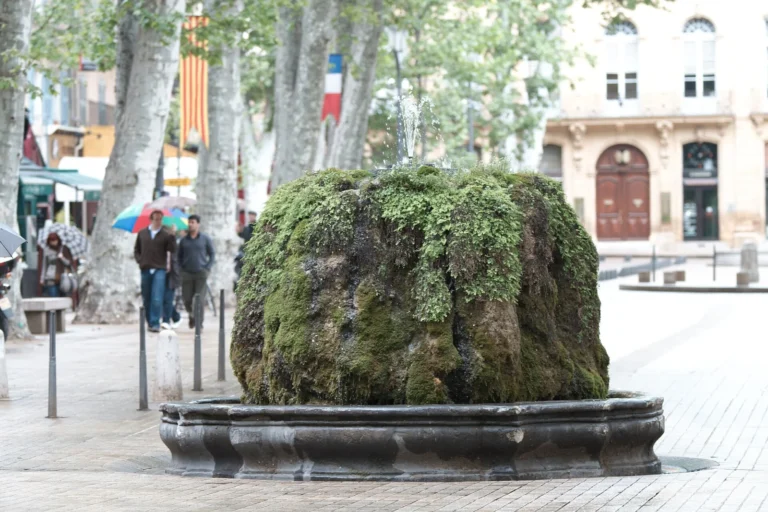
Aix-en-Provence
Elegant fountains, the plane-tree-lined Cours Mirabeau, Cézanne's studio and one of the best markets in Provence. About 30 minutes from Marseille airport.
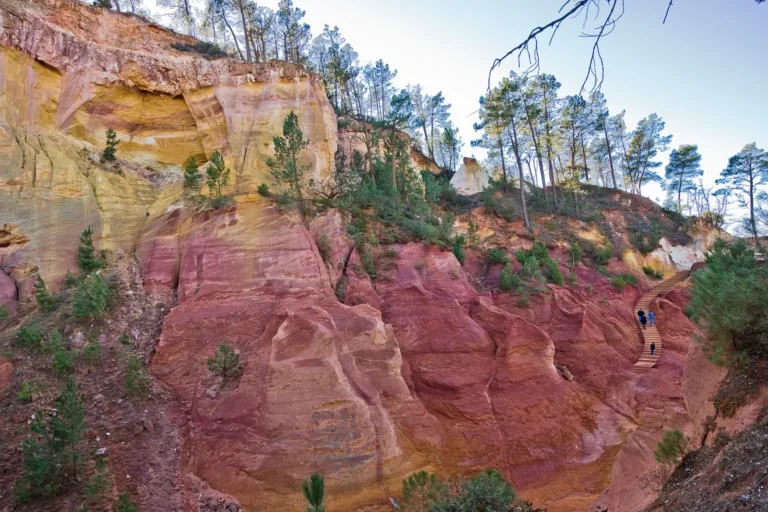
The Luberon villages
Gordes, the ochre cliffs of Roussillon, Ménerbes and Lourmarin: the postcard hill villages of Provence. You will need a car, and each village has its own market day.
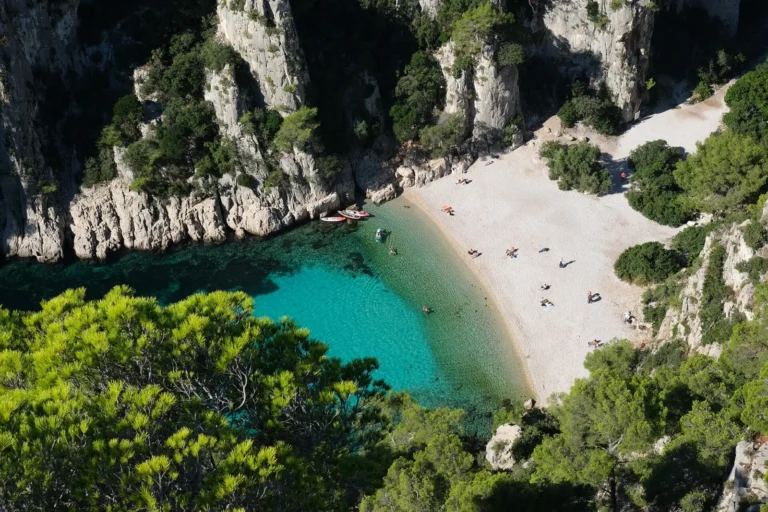
The Calanques
Turquoise coves and white limestone cliffs between Marseille and Cassis, protected as a national park. Hike in, or take a boat from Cassis or Marseille's Vieux-Port.
Arles
A Roman arena, Van Gogh's haunts and the gateway to the Camargue's flamingos and white horses.
Marseille
France's oldest city: the Vieux-Port, Notre-Dame de la Garde, the MuCEM and the best bouillabaisse.
Gorges du Verdon
Often called Europe's Grand Canyon, with kayaks and pedal boats on the turquoise Lac de Sainte-Croix.
Valensole and the lavender
The most famous lavender fields in France, in bloom from late June to mid-July. See our lavender fields guide.
Top 10 things to do in Provence
- See the lavender in bloom on the Valensole plateau, at Sénanque Abbey or around Sault, from late June to mid-July. Our lavender fields in Provence guide has the dates and a route.
- Tour the Palais des Papes in Avignon, one of the largest Gothic buildings in Europe, then walk out onto the Pont d'Avignon.
- Walk the ochre trail in Roussillon, a short path through red and orange cliffs.
- Browse the Sunday market and antique dealers of L'Isle-sur-la-Sorgue.
- Hike or swim in the Calanques. In summer, the Calanque de Sugiton needs a free online reservation.
- Cross the Pont du Gard, the Roman aqueduct a short drive west of Avignon.
- Follow Van Gogh through Arles and Saint-Rémy-de-Provence.
- Kayak the Gorges du Verdon from the Lac de Sainte-Croix.
- Taste wine in Châteauneuf-du-Pape, 20 minutes north of Avignon.
- Eat bouillabaisse in Marseille, at a restaurant that serves it the traditional way, in two courses.
Where to stay in Provence
For a first trip without a car, stay in Avignon: it has the best train connections, a walkable old town and easy day trips to Arles and L'Isle-sur-la-Sorgue. Aix-en-Provence is the most elegant base and the closest to Marseille airport and the Calanques. For the lavender and the villages, rent a gîte or a farmhouse (mas) in the Luberon, around Gordes, Bonnieux or Lourmarin, and book early for July. Compare options on our hotel search.
Getting around Provence
Train: TGV and regional TER trains connect Avignon, Arles, Aix-en-Provence, Marseille and Nice.
Car: essential for the Luberon, the lavender fields, the Verdon and most wineries. Pick it up at Avignon TGV, Aix-en-Provence TGV or Marseille airport rather than in a city centre.
Tours: if you would rather not drive, day tours from Avignon and Aix cover the Luberon villages and, in season, the lavender fields.
When to visit Provence
The best time to visit Provence is May, June and September: warm, sunny days without the peak crowds. Late June to mid-July is lavender season, and together with August it is the busiest time of year; July also brings the Avignon theatre festival. Winter is quiet and mild, with Christmas markets, but many village restaurants close. For month-by-month detail, see our best time to visit France guide.
Provence or the French Riviera?
Provence is inland villages, markets, vineyards and landscapes; the Riviera is the glamorous coast from Cannes to Menton. They are easy to combine: Aix-en-Provence to Nice takes about two hours by car. With a week, spend four days in Provence and three on the Riviera: our South of France itinerary shows you how, day by day.
What to eat in Provence
Provençal cooking is built on olive oil, garlic, tomatoes and herbs. Try tapenade, ratatouille, daube (a slow-cooked beef stew) and a proper bouillabaisse in Marseille. Aix is famous for calissons, a soft almond sweet, and Provence is France's leading rosé region. For reds, look for Châteauneuf-du-Pape and Gigondas.
5 days in Provence: a sample itinerary
Stay two nights in Avignon and three in the Luberon, with a hire car from Day 2.
Day 1: Avignon
The Palais des Papes, the Pont d'Avignon and the Rocher des Doms gardens, then dinner in the old town. More ideas in our things to do in Avignon.
Day 2: Arles and the Pont du Gard
The Roman arena and Van Gogh sites in Arles, then the Pont du Gard on the way back.
Day 3: Gordes, Sénanque and Roussillon
Sénanque Abbey early, Gordes for lunch, then the ochre trail in Roussillon at the end of the day.
Day 4: Markets and lavender
L'Isle-sur-la-Sorgue (Sunday market) or Lourmarin, then the Valensole lavender fields for sunset in season.
Day 5: Aix-en-Provence
The Cours Mirabeau and the market in Aix (see our things to do in Aix-en-Provence), or a boat trip in the Calanques from Cassis.
Provence travel guide: FAQ
Where is the best place to stay in Provence?
Avignon for a first trip without a car, thanks to its train links. Aix-en-Provence if you are flying into Marseille. A Luberon village if you have a car and want the countryside and the lavender.
How many days do you need in Provence?
Four to five days covers Avignon, the Luberon villages and Aix-en-Provence. With a week, add the Gorges du Verdon, the Calanques or a few days on the French Riviera.
Do you need a car in Provence?
For the villages, the lavender fields and the Verdon, yes. Avignon, Arles, Aix and Marseille are all linked by train, so a city-only trip works without one.
When is lavender season in Provence?
From late June to late July, with the peak usually in the first half of July. The harvest starts around mid-July at Valensole and later around Sault. Our lavender fields guide has the details.
Ready to plan your Provence trip?
Fly into Marseille or take the TGV from Paris to Avignon, then pick up a car for the villages and the lavender fields.
Adding the coast? Read our French Riviera travel guide, or see the complete France travel guide.
Photos from Wikimedia Commons: Sénanque Abbey by Jean-Pierre Roger (CC BY-SA 3.0); Avignon by Txllxt TxllxT (CC BY-SA 4.0); Aix-en-Provence by Georges Seguin (CC BY-SA 3.0); Roussillon by Jean-Christophe Benoist (CC BY 3.0); Calanque d'En-Vau by kallerna (CC BY-SA 4.0).