Paris Arrondissements Map: All 20 Districts Explained (2026)
Paris is divided into 20 districts called arrondissements, and Parisians use them constantly: to give directions, to describe a neighbourhood and in every postal address. Once you understand how they work, the city becomes much easier to navigate, and choosing a hotel gets a lot simpler. This guide has a map of the Paris arrondissements, explains how the numbering works and describes what each of the 20 is like, so you can see at a glance which areas suit you. For the main sights, see our Paris travel guide.
Paris arrondissements at a glance
How many: 20, numbered from 1 to 20
Layout: a clockwise spiral, starting with the 1st at the Louvre in the centre
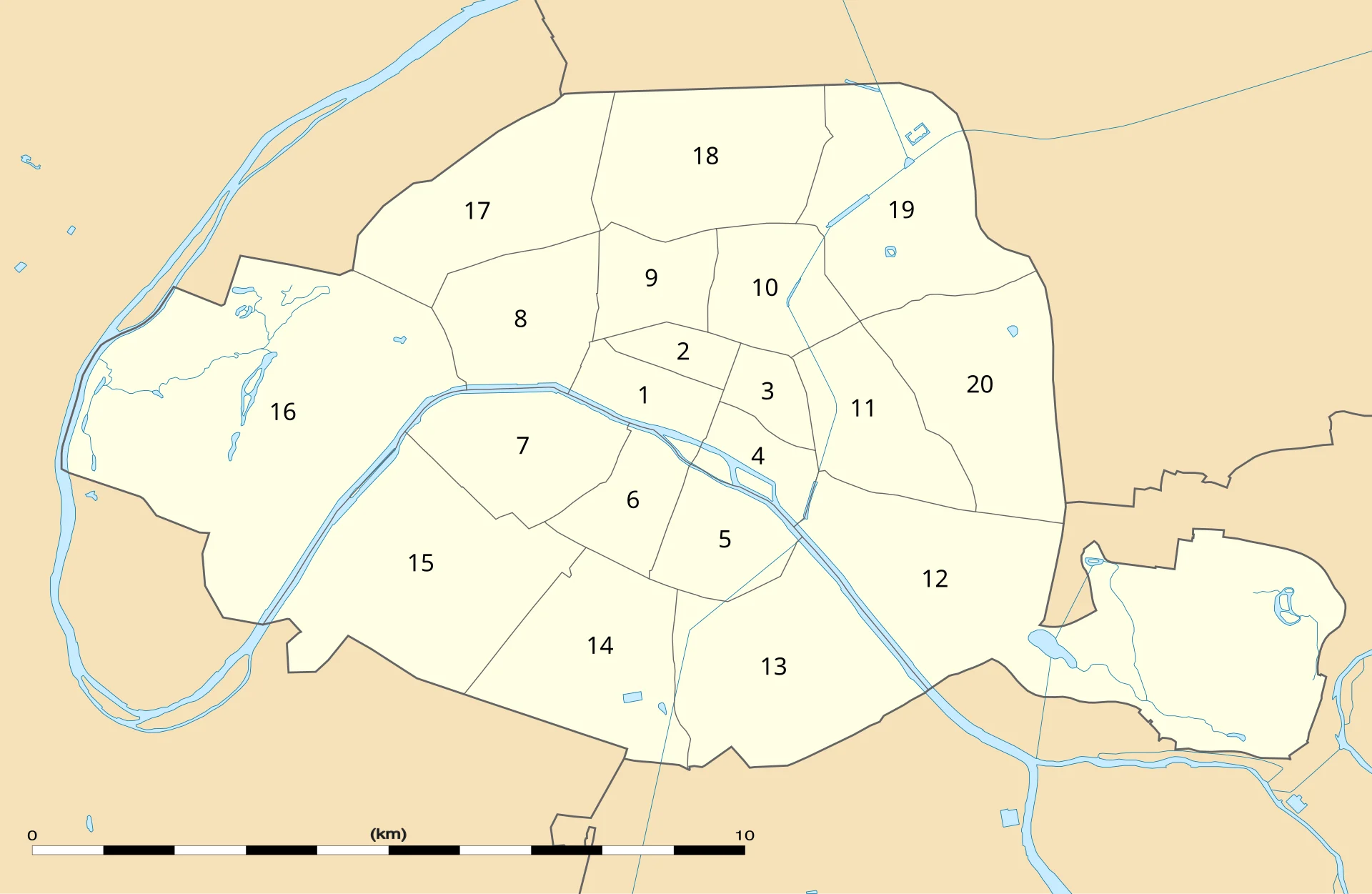
Right Bank and Left Bank: the 5th, 6th, 7th, 13th, 14th and 15th are south of the Seine; the rest are north
Postcodes: 75001 to 75020, matching the arrondissement number (the 16th also uses 75116)
Best for a first visit: the 1st to the 7th; for better value, the 10th and 11th
Map of the Paris arrondissements
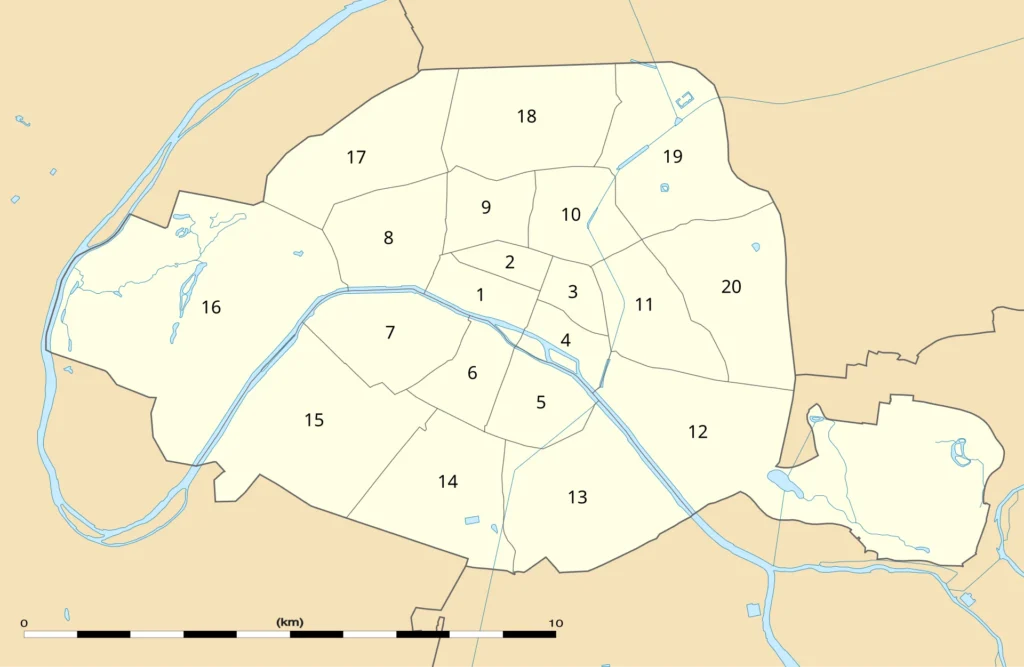
The Paris arrondissements are numbered in a spiral, like a snail shell, starting from the centre and turning clockwise: the 1st, 2nd, 3rd and 4th are in the middle on the Right Bank, the spiral crosses the Seine for the 5th, 6th and 7th, comes back north for the 8th to the 12th, then loops round the outer ring from the 13th in the south-east to the 20th in the east. The current system dates from 1860, when Paris annexed the villages around it, such as Montmartre, Belleville and Passy, and grew to 20 arrondissements.
Reading an address is easy: the last two digits of the postcode give the arrondissement, so 75006 is the 6th and 75018 the 18th. In French the 6th is written 6e (sixième) and the 1st 1er (premier), and street signs show the arrondissement above the street name. Since 2020 the 1st to the 4th have shared a single town hall as "Paris Centre", but they keep their own numbers and postcodes (see the City of Paris website for each town hall).
Right Bank and Left Bank
The Seine divides Paris into the Right Bank (Rive Droite) to the north and the Left Bank (Rive Gauche) to the south. The Right Bank is bigger and busier, with the Louvre, the Marais, the Champs-Élysées, the department stores and Montmartre. Six Paris arrondissements make up the Left Bank: the 5th, 6th, 7th, 13th, 14th and 15th. It has the Latin Quarter, Saint-Germain-des-Prés, the Eiffel Tower and a slightly calmer, more literary feel. The two islands in the middle, the Île de la Cité and the Île Saint-Louis, belong to the 1st and 4th.
The 20 Paris arrondissements explained
1st to 4th: the historic centre (Paris Centre)
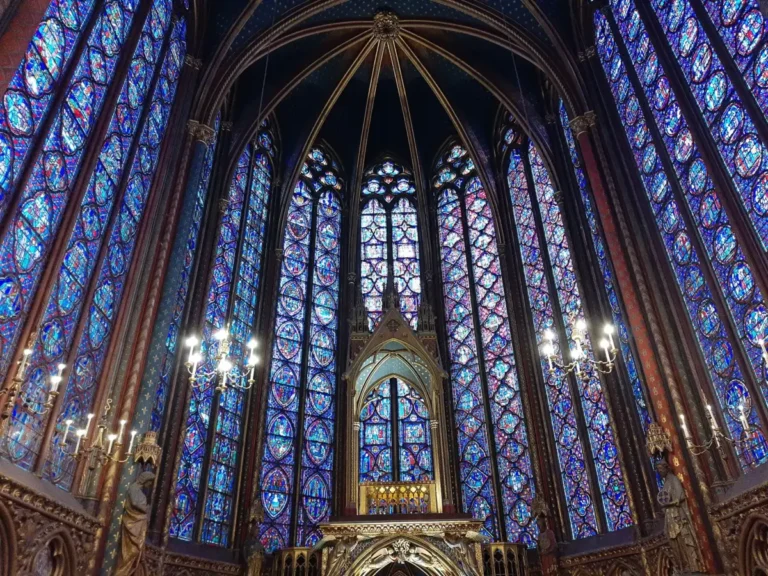
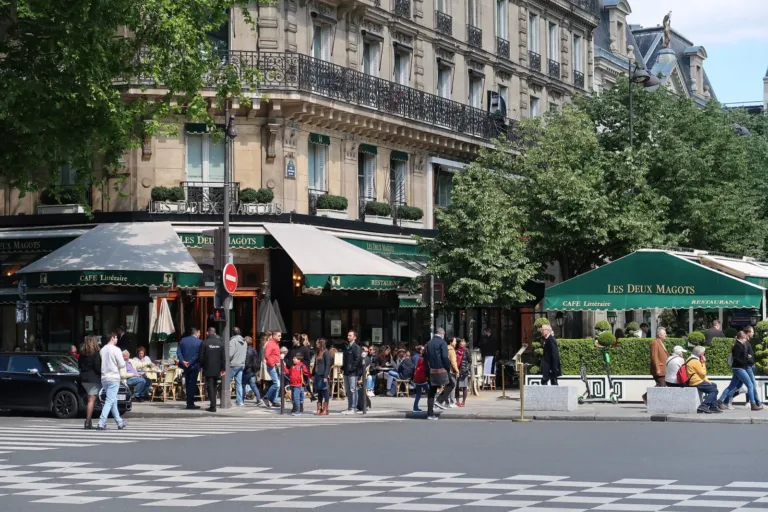
- 1st (Louvre): the Louvre, the Tuileries Gardens, the Palais-Royal and the Sainte-Chapelle on the Île de la Cité. Central, grand and expensive, and quiet at night.
- 2nd (Bourse): the smallest arrondissement, with the old covered shopping passages such as the Galerie Vivienne and the lively market street of Rue Montorgueil.
- 3rd (Temple): the upper Marais: the Musée Picasso, the Carreau du Temple, independent boutiques and some of the city's best small restaurants.
- 4th (Hôtel-de-Ville): the heart of the Marais, with the Place des Vosges, Notre-Dame, the Île Saint-Louis and the Centre Pompidou (closed for renovation until 2030). Busy, beautiful and very walkable.
5th to 7th: the Left Bank classics
- 5th (Panthéon): the Latin Quarter: the Sorbonne, the Panthéon, the Jardin des Plantes and the riverside booksellers. Lively, central and good value for the centre.
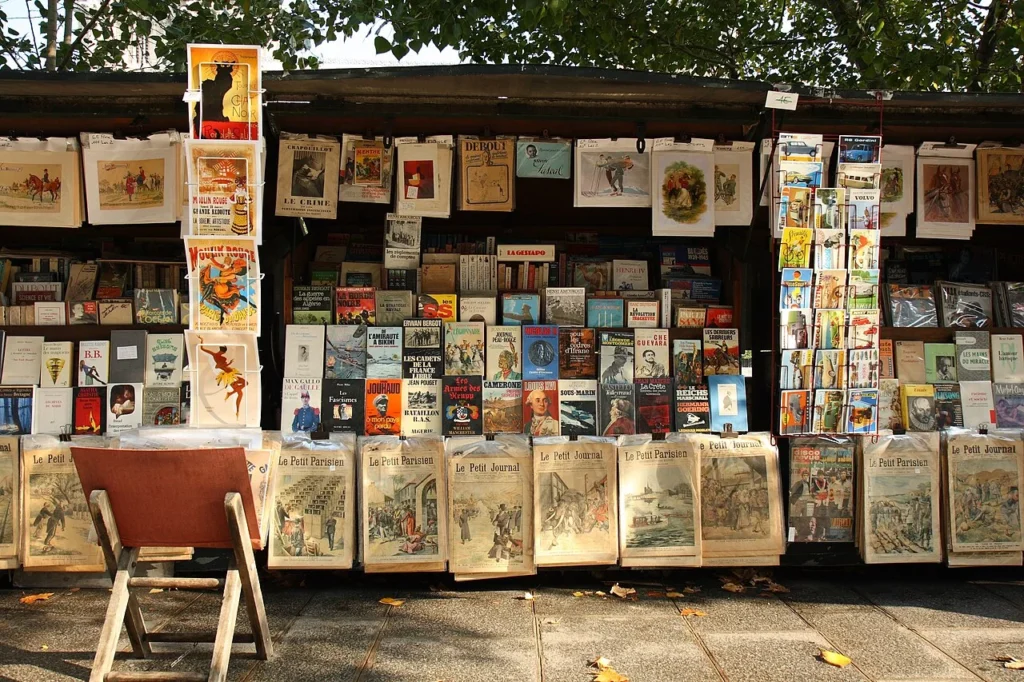
- 6th (Luxembourg): Saint-Germain-des-Prés, the Luxembourg Gardens, literary cafés, galleries and chic shopping. Classic, romantic Paris.
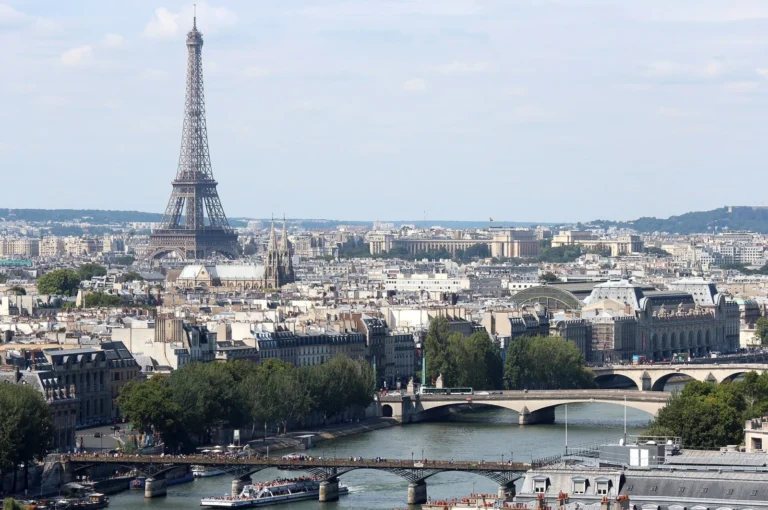
- 7th (Palais-Bourbon): the Eiffel Tower, the Musée d'Orsay, Les Invalides and the Rue Cler market street. Calm, elegant and residential, and great for families.
8th to 12th: the inner ring
- 8th (Élysée): the Champs-Élysées, the Arc de Triomphe (where the 8th meets the 16th and 17th), the presidential palace, Parc Monceau and luxury hotels and fashion houses. Impressive, but quiet in the evenings.
- 9th (Opéra): the Palais Garnier opera house and the big department stores, Galeries Lafayette and Printemps, plus the trendy South Pigalle (SoPi) area. Practical for short stays and shopping.
- 10th (Entrepôt): the Canal Saint-Martin, Gare du Nord and Gare de l'Est. Young, creative and good value, with a local feel.
- 11th (Popincourt): Bastille and Oberkampf, with some of the best bars, bistros and nightlife in Paris. Excellent value for money and well connected by metro.
- 12th (Reuilly): Gare de Lyon, Bercy, the Promenade Plantée (an elevated park on an old railway line) and the Bois de Vincennes. Residential and handy for trains to the south.
13th to 20th: the outer Paris arrondissements
- 13th (Gobelins): Paris's main Chinatown, the village-like Butte-aux-Cailles and some of the city's best street art. Quiet and affordable.
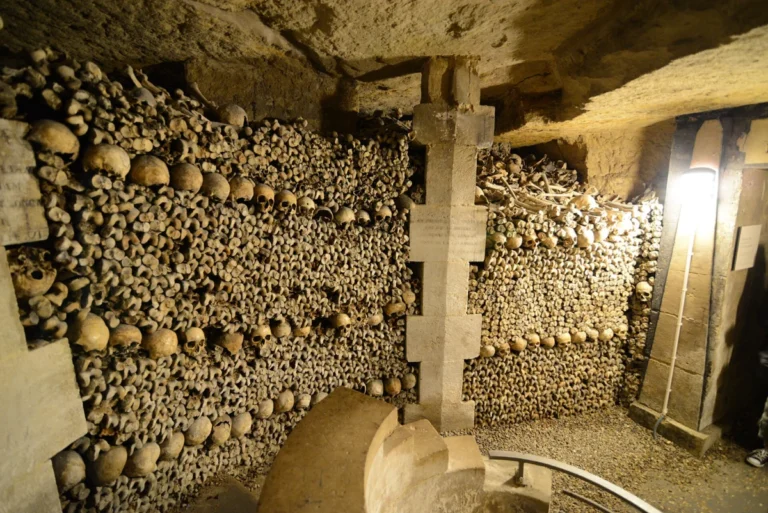
- 14th (Observatoire): part of Montparnasse, the entrance to the Catacombs and calm, local streets. A good-value base on the Left Bank.
- 15th (Vaugirard): the most populous arrondissement: residential and family-friendly, with Parc André-Citroën and easy access to the Eiffel Tower.
- 16th (Passy): Trocadéro and its view of the Eiffel Tower, the Bois de Boulogne, the Fondation Louis Vuitton and several museums. Wealthy and very quiet.
- 17th (Batignolles-Monceau): the village-like Batignolles quarter with its markets and cafés, and grand Haussmann streets in the south. Local and relaxed.
- 18th (Butte-Montmartre): Montmartre, the Sacré-Cœur and the Place du Tertre. Full of charm on the hill, more gritty around the edges.
- 19th (Buttes-Chaumont): the hilly Parc des Buttes-Chaumont, the Parc de la Villette and the canals of the Bassin de la Villette. Multicultural and green.
- 20th (Ménilmontant): Père Lachaise Cemetery and Belleville, with street art, cheap eats and a creative, working-class spirit.
Found your arrondissement? Hotels in the central districts book up early in spring, summer and around Christmas. Compare flights and hotels for your dates.
Best Paris arrondissements for first-time visitors
For a first trip, stay in the central Paris arrondissements, the 1st to the 7th. Most of the famous sights are in these six or seven districts, so you can walk almost everywhere and save hours on the metro.
- Le Marais (3rd and 4th): best all-rounder, with history, food and nightlife on your doorstep.
- Saint-Germain-des-Prés (6th): best for couples and a classic Paris feel.
- The Latin Quarter (5th): best value in the centre.
- The Eiffel Tower area (7th): best for families and a calm base.
- Bastille and Oberkampf (11th) or Canal Saint-Martin (10th): best for value and a local feel, about 10 to 15 minutes from the centre by metro.
Our tip: look at the postcode before you book. All 20 Paris arrondissements have postcodes from 75001 to 75020. A hotel advertised as "Paris" with a postcode outside 75001 to 75020 is in the suburbs, and the commute can eat into your sightseeing time.
Tips for using the Paris arrondissements
- Check the number, not just the name. Neighbourhood names such as Montparnasse or the Marais cross arrondissement borders, so the number is the more reliable guide.
- Higher numbers are further out. The 1st to the 11th are generally central; the 12th to the 20th form the outer ring, where hotels are cheaper but you will use the metro more.
- Use the RATP metro map with the arrondissement map. A hotel near a metro station with several lines makes even an outer arrondissement easy to get around from.
- Take normal big-city care. Watch for pickpockets around the main stations, at the busiest sights and on crowded metro lines, and be more alert late at night around Pigalle and the big railway stations.
Paris arrondissements: FAQ
How many arrondissements are there in Paris?
There are 20 Paris arrondissements, numbered from 1 to 20 in a clockwise spiral starting at the Louvre. Since 2020 the 1st to the 4th have been run together as Paris Centre, but they keep their numbers and postcodes.
Which arrondissement is the Eiffel Tower in?
The 7th arrondissement, on the Left Bank. The best views of it are from the Trocadéro, across the river in the 16th.
Which arrondissement is the Louvre in?
The 1st, in the very centre of Paris, next to the Tuileries Gardens and the Palais-Royal.
What is the best arrondissement to stay in Paris?
For a first visit, the 3rd and 4th (the Marais), the 5th (the Latin Quarter), the 6th (Saint-Germain) or the 7th (near the Eiffel Tower). For better value, look at the 10th and 11th.
Which arrondissements are on the Left Bank?
Six Paris arrondissements are on the Left Bank: the 5th, 6th, 7th, 13th, 14th and 15th. All the others are on the Right Bank, while the islands in the Seine belong to the 1st and 4th.
Why are the Paris arrondissements numbered in a spiral?
The current 20 Paris arrondissements were created in 1860, when Paris annexed its surrounding villages. They were numbered from the historic centre outwards in a clockwise spiral, which is why the low numbers are central and the high numbers form the outer ring.
Ready to plan your Paris trip?
Choose from the Paris arrondissements above, check the postcode and book early for spring and summer.
More for your trip: our Paris travel guide, our guide to where to stay in Paris and our 5 days in Paris itinerary.
Map and photo from Wikimedia Commons: map of the Paris arrondissements by Eric Gaba (CC BY-SA 3.0); bouquinistes on the Quai de Montebello by Benh LIEU SONG (CC BY-SA 3.0).